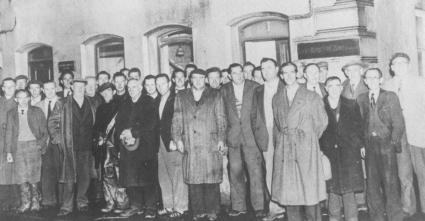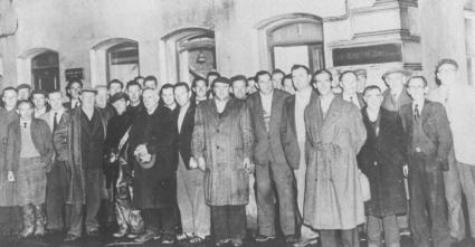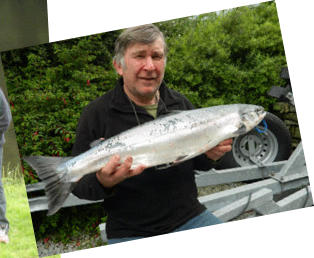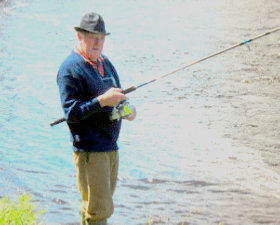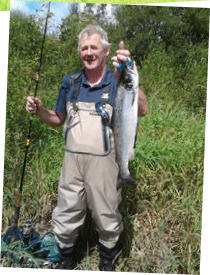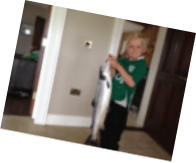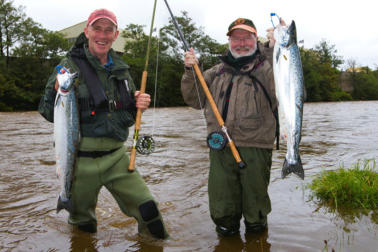
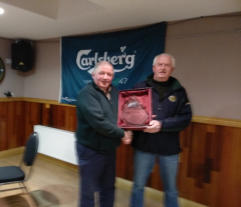
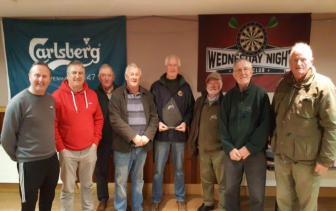
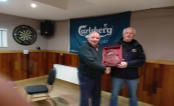
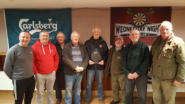
Members of the committee
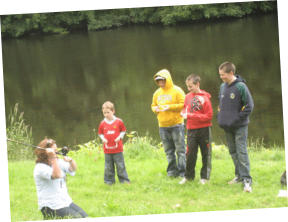
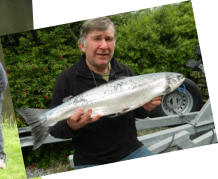
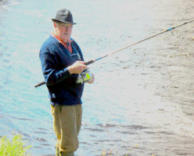
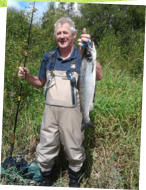
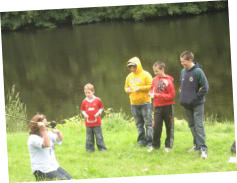
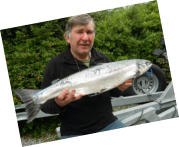
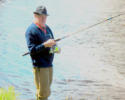
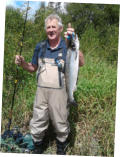
congratulate Paddy Halpin on
his retirement from Inland
Fisheries ireland





Home
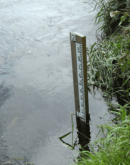
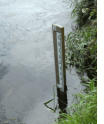
Check Water Height
Key to fit pools







Members, please send photos of your
fish to info@northkerryanglers.com for
inclusion in this web site. Details of
where released weight and type of lure,
if you so wish.

Action Corner
Photos Wanted

Membership Cards for 2025 Season for Qualifying Members
Membership Cards for the 2025 season will be available to Qualifying Members from the 14th
Feb. 2025.
Catch and release for the Feale , Smearla, Galey Rivers for 2025

•
For the Total Season
•
All Salmon
•
Sea Trout over 40CM or 16 inches in length
approx.
•
No Commercial Fishing
201
H

•
No worm fishing or prawn
•
Only single or double barb less hooks on all
allowable baits
•
Sea trout under 40cm - Bag limit 3 sea trout
per day per angler
Salmon Fishing - Sea Trout Angling - Fly Fishing - Free Range Fishing - Night Fishing for Sea Trout
Fishing Ireland
Fishing Ireland
New Membership Now Open for 2025 Fishing Season
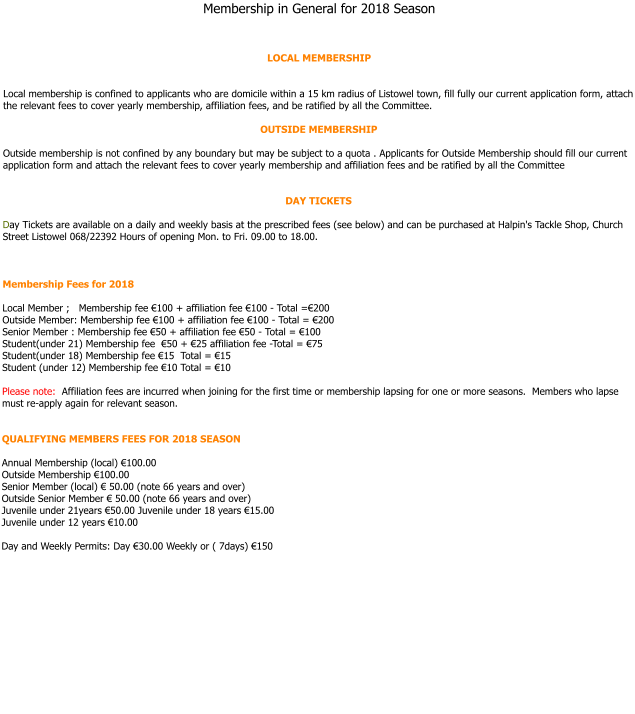
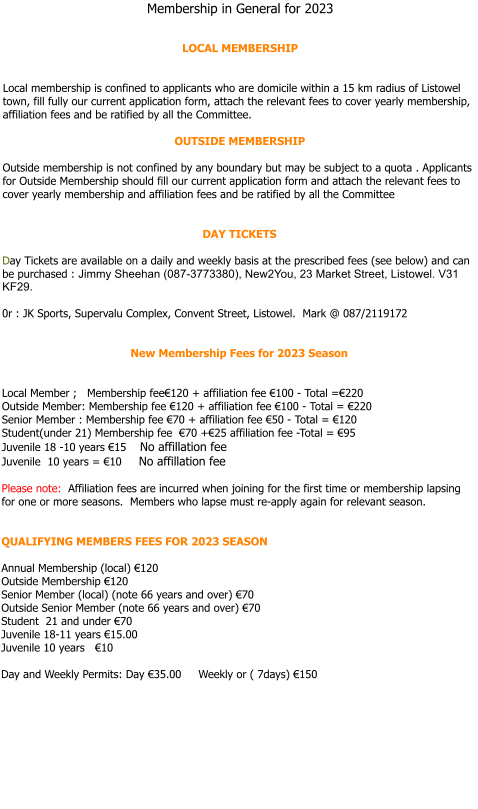
Download 2025 application form from the download tab. Fill application form and attach
the relevant fees (see fishing fees tab). Submit to: Jimmy Sheehan (087-3773380),
New2You, 23 Market Street, Listowel. V31 KF29.
Opening hours: Mon - Sat 10AM - 5:30PM
Applications without fees will not be considered.
Applications for Annual Membership from worldwide applicants will be considered by the
committee
Committee decision on applications is final
State Fishing Salmon and Sea Trout Licences
On line - Inland Fisheries Ireland
•
Day licence all-districts €20
https://store.fishinginireland.info/product/sal
mon-rod-one-day-ordinary-licence/
•
21 Day licence all-districts €40
https://store.fishinginireland.info/product/sal
mon-rod-twenty-one-day-licence/
•
District licence all-districts €56
https://store.fishinginireland.info/product-
category/district-licence/
•
Juvenile Licence all-districts € 10
https://store.fishinginireland.info/product/sal
mon-rod-annual-juvenile-licence/
Welcome,to the best value “Fishing in Ireland”
Salmon and Sea Trout fishing for less than €5 a day
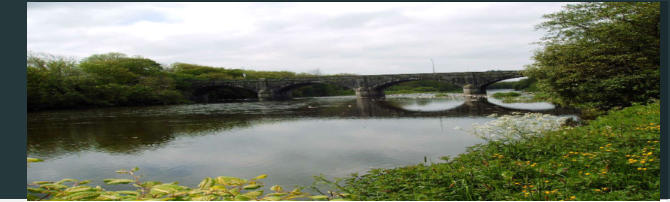
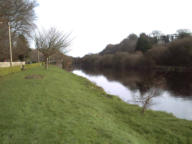
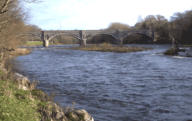
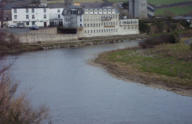
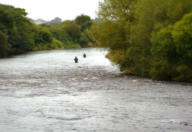
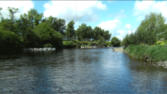
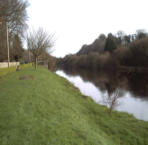
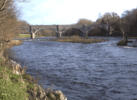
We offer you 5 miles of the best value Fee Range salmon and sea trout
Fishing/Angling in Ireland at very competitive rates. Enjoy angling at it’s best in the
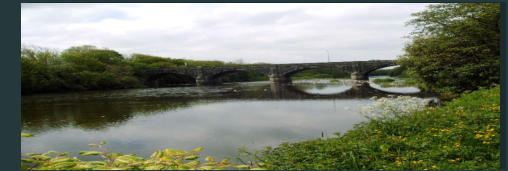
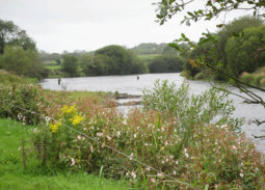
serene surroundings of the river Feale on “The Wild Atlantic Way”. The season
opens on the 1st. March and ends on the 30th September.
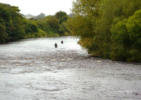
The Feale is a spate river and fishes best in high to medium water conditions, but
having said that, fish can be met in any height of water. Draft Net Fishermen are
allowed to take fish from the 1st. May to 30th August on the tidal stretches of the
river. The Association is non-profitable and we re-invest all the surplus fees collected
into our fisheries. We are always on the lookout for extra fisheries to enhance the
pleasure for our members.
Worldwide applications for Annual Membership will be considered by the committee.
Holidaying in Kerry, have a break, a great days fishing on the Feale River for Salmon
or Sea Trout for €35( 24 hours fishing), if you can last that long, this is a holiday
changer. Enjoy your best experiences with us.


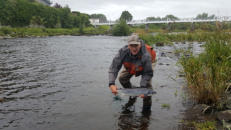
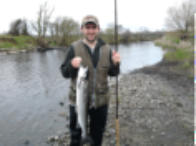
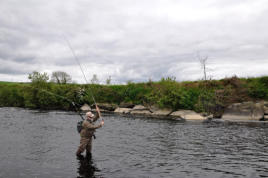
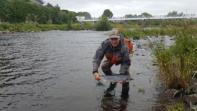
Stephen Dowling releases a 5.5lb fresh fish “Tea Lane Pool” on 12/07/2020. This fish was
hooked on “Stoats Tail” fly.

Ways to pay fishing fees
Cash or Cheque: Jimmy Sheehan (087-3773380), New2You, 23 Market Street, Listowel.
V31 KF29.
Mark 087/2119172 @JK Sport, Supervalu Complex, Convent Street, Listowel
Direct Debit Account: North Kerry Anglers Association. IBAN: IE41 AIBK 9354 3330
9951 81
(BIC: AIBKIE2D Account No. 30995-181 please give a reference - Membership ID. and
name otherwise your payment will not be recognized
Links
Paddy Halpin hangs up his waders from Inland Fisheries Ireland












Welcome
Salmon and Sea Trout fishing for
less than €2 a day
We offer you 5 miles of free range salmon and sea trout fishing at
very competitive rates. Enjoy angling at it’s best in serene
surroundings and far from the maddening crowd. The season opens
on the 1st. March and ends on the 30th September. The Feale is a
spate river and fishes best in high to medium water conditions, but
having said that, you can meet fish in any height of water. Draft Net
Fishermen are allowed to take fish from the 1st. May to 30th August
on the tidal stretches of the river.The Association is non-profitable
and we re-invest all the surplus fees collected into our fisheries. We
are always on the lookout for extra fisheries to enhance the pleasure
for our members.




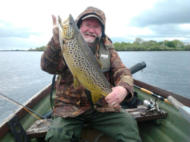



Roving Robert



Action Corner



Members, please send photos of your
fish to info@northkerryanglers.com for
inclusion in this web site. Details of
where caught, weight and type of lure,
if you so wish.

Photos Wanted
Robert surfaced in Lough Ree with a
specimen brown trout for his travels

Home
Home


Joining the club for the first time
Download application form from the download tab. Fill application
form and attach the relevant fees (see fishing fees tab). Post to
Hon.Sec., Anthony McAuliffe, Convent Street, Listowel. Applications
without fees will not be considered.
Bag Limit for the Feale 2022
From 1 st. March to 11th May :1 Spring Fish per day subject to a total of 3
From 11th May to 30th August : 3 fish per day
1st September to 30th Sept. : 1 fish per day
All subject to a total of 10 fish for the season and the availability of Brown Tags
Brown Tag Hotline : 087/ 7639236
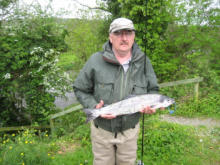
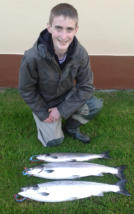
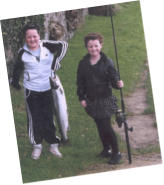
Shane and Mark Loughnane with their salmon they caught at
the back of the stands steam on Sunday 28th May2017. Shanes
was a 10lb caught with his own tied fly. Marks was a 16lb caught
with a flying C.
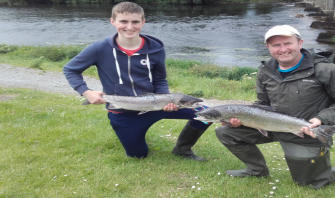
New 2017
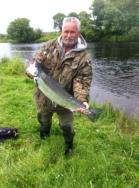
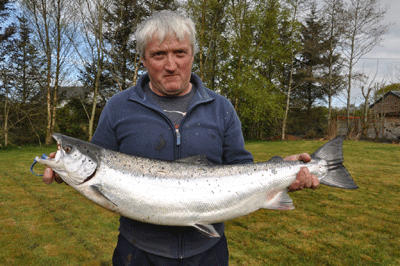
The Buck Loughnane with his
13IIb Salmon caught at the
Joinings 10/06/17
Buck said” 13 is unlucky for
some but lucky for me”, He
estimates this fish will at least
get 15 pints of Harp for this
beast!!
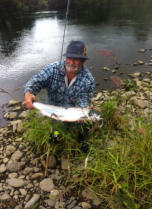
Its the buck again
with a fresh 8lb at
“The joinings” on
13/06/17
“The mystro” has
struck again
Membership Cards for 2020 Season for Qualifying
Members
Available from Anthony McAuliffe, 28 Convent Street, Listowel from
Thursday 15th Feb. 2018 Mon. to Sat. 10-30am. to 5 pm.
Postal: Cheques and Postal Orders made payable to N.K.A.A and
posted to Anthony McAuliffe, 28 Convent Street, Listowel.
Membership Card and receipt will be returned by next available
post.










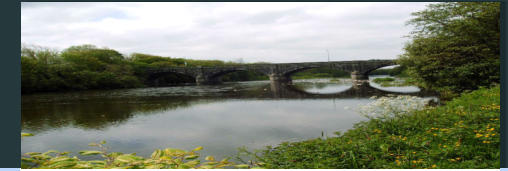

Welcome to the best value “Fishing in ireland”
Salmon and Sea Trout fishing for less than €2 a day
We offer you 5 miles of the best value Fee Range
salmon and sea trout Fishing/Angling in Ireland at
very competitive rates. Enjoy angling at it’s best in the
serene surroundings of the river Feale on “The Wild
Atlantic Way”. The season opens on the 1st. March
and ends on the 30th September.
The Feale is a spate river and fishes best in high to
medium water conditions, but having said that, fish
can be met in any height of water. Draft Net
Fishermen are allowed to take fish from the 1st. May
to 30th August on the tidal stretches of the river. The
Association is non-profitable and we re-invest all the
surplus fees collected into our fisheries. We are
always on the lookout for extra fisheries to enhance
the pleasure for our members.
Worldwide applications for Annual Membership will be
considered by the committee. Holidaying in Kerry,
have a break, a days fishing on the Feale River for
Salmon or Sea Trout for €35 (24 hours )fishing if you
can last that long, this is a holiday changer. Enjoy the
experience with us.

Members, please send photos
of your fish to
info@northkerryanglers.com
for inclusion in this web site.
Details of where caught,
weight and type of lure, if you
so wish.

SuperSite
960px
640px
Mobile



Photos Wanted
Home


Membership Cards for 2025 Season for
Qualifying Members
Membership Cards for the 2025 season will be
available to Qualifying Members on the 14th
of Feb. 2025


•
For the Total Season
•
All Salmon
•
Sea Trout over 40CM
or 16 inches in length
approx.
•
No Commercial
Fishing
•
No worm fishing or prawn
•
Only single or double barb less
hooks on all allowable baits
•
Sea trout under 40cm - Bag
limit 3 sea trout per day per
angler
Salmon Fishing - Sea Trout Angling - Fly Fishing -
Free Range Fishing - Night Fishing for Sea Trout
Listowel - Kerry
Ireland
State Fishing Salmon and
Sea Trout Licences
On line Inland Fisheries
Ireland
•
Day licence all-districts
€20
https://store.fishinginirel
and.info/product/salmon
-rod-one-day-ordinary-
licence/
•
21 Day licence all-
districts €40
https://store.fishinginirel
and.info/product/salmon
-rod-twenty-one-day-
licence/
•
District licence all-
districts €56
https://store.fishinginirel
and.info/product-
category/district-licence/
•
Juvenile Licence all-
districts € 10
https://store.fishinginirel
and.info/product/salmon
-rod-annual-juvenile-
licence/
Paddy Halpin hangs up his waders from Inland Fisheries Ireland
Members of the committee
congratulate Paddy Halpin on
his retirement from Inland
Fisheries ireland
New Membership Now Open for 2025
Fishing Season
Download 2025 application form from the
download tab. Fill application form and attach
the relevant fees (see fishing fees tab).
Submit to: Jimmy Sheehan (087-4022408),
New2You, 23 Market Street, Listowel. V31 KF29.
Opening hours: Mon - Sat 10AM - 5:30PM
Applications without fees will not be
considered.
Applications for Annual Membership from
worldwide applicants will be considered by the
committee
Committee decision on applications is final

Stephen Dowling releases a 5.5lb
fresh fish “Tea Lane Pool” on
12/07/2020. This fish was hooked
on “Stoats Tail” fly.

Action Corner
Ways of Paying Club Fees
Cash or Cheque: Jimmy Sheehan (087-3773380),
New2You, 23 Market Street, Listowel. V31 KF29.
Mark 087/2119172 @JK Sport, Supervalu Complex,
Convent Street, Listowel
Direct Debit: Account=North Kerry Anglers
Association. IBAN: IE41 AIBK 9354 3330 9951 81
(BIC: AIBKIE2D Account No. 30995-181 please give
a reference - Membership ID. and name
otherwise your payment will not be
recognised.